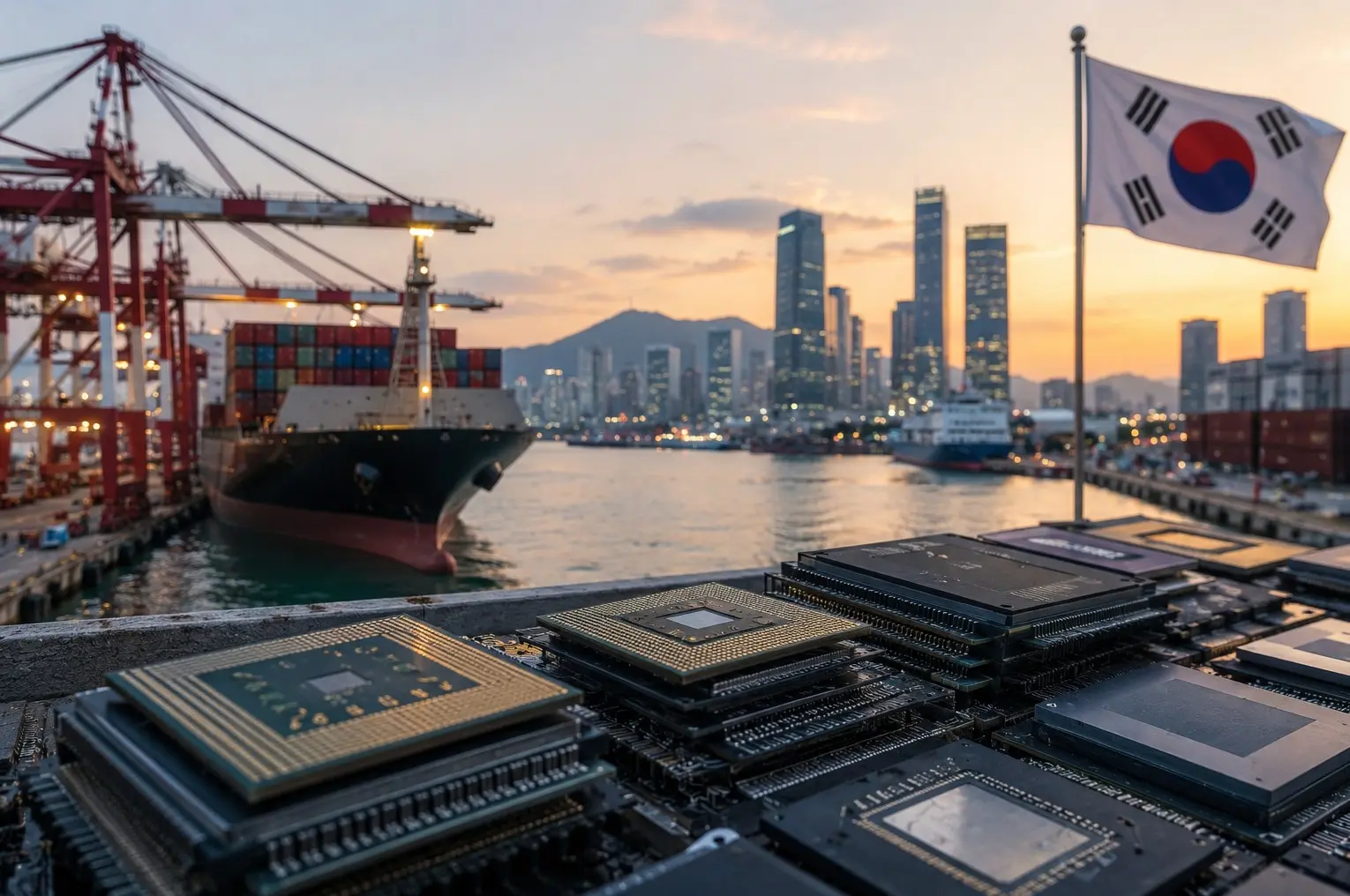
AI Chip Boom Propels South Korean Exports and Markets to Historic Highs

June 1, 2026
Alex - aiToggler Team
Reviewed by a two-legged human.
There are days when it feels like all the hype in AI is about splashy product launches, wild predictions, or the next must-have chatbot. But sometimes, the most important stories happen outside Silicon Valley conference rooms, on the docks and in the factories. South Korea's recent leap in exports, powered by the AI chip boom, is one of those quietly massive shifts. It might actually tell us more about the state of AI than any demo on YouTube.
AI demand pushes South Korean exports to a 40-year record
Take a look at South Korea’s trade numbers for May and you’ll see something you don’t see often: exports posting their fastest annual growth in over forty years. The main driver? Relentless demand for memory chips, fueled by all the AI training and deployment going on globally. The numbers aren’t abstract, either, shipment values have hit an all-time high. According to Reuters, this growth has given South Korea’s export-heavy economy a major shot in the arm, and the sense in the markets is unambiguously upbeat.
What makes this interesting isn’t just the headline growth. It’s how companies like Samsung Electronics and SK Hynix have stayed right in the thick of worldwide supply chains, reaping the benefits as the thirst for hardware continues. Every big LLM training run, every upgrade to a data center, every experiment in agentic AI, you need chips, lots of them, and so the world keeps calling South Korea.
Memory chips: still holding up the AI world
Every time you see new generative AI models or bold AI features shipped to your favorite apps, remember: they’re being powered by piles of high-performance memory chips. The Wall Street Journal explains how AI’s hunger for DRAM and NAND is keeping what could have been a wobbly, up-and-down market in a period of healthy, even prolonged, demand. May’s results show shipments and sales topping records, further securing South Korea’s role as one of the indispensable suppliers to global tech.
What’s especially striking is that this demand surge is happening while other global economic and political issues, like Middle East conflict, simmer in the background. Turns out, if everyone urgently needs AI hardware, bigger forces can sometimes get temporarily sidelined.
Stock market surge mirrors the chip boom
Upturns in exports have a funny way of igniting financial markets, and South Korea’s stock market has more than joined the ride. Shares of local chipmakers and tech-linked firms have jumped, pulling Asian indices higher as well. If you scan the latest global market roundup, you’ll pick up on how semiconductors are propping up not just local, but international stocks, too.
But before anyone assumes this is pure gold, it’s worth mentioning the growing debate around a potential "AI bubble". With the intense optimism baked into prices, it’s fair to wonder how much of this is justified by fundamentals. As always, the hype cycle can outpace reality, but for the moment, the chip boom in South Korea is translating into measurable growth, jobs, and serious revenue up and down the supply chain.
The global fallout, and why it’s not all upside
South Korea’s export windfall is evidence that AI demand isn’t just a Wall Street meme. The hunger for data processing, AI training, and cloud deployment is visible in busy factories, packed ports, and impressive economic stats. As AI continues moving into fields from medicine to entertainment, it’s logical to expect other countries will want a piece of this action and will look to strengthen their own chip and tech supply chains.
Still, there are risks lurking here. When so much value gets packed into one industry, especially a complicated, capital-intensive one like semiconductors, there’s always a chance of turbulence. Demand can swing sharply, geopolitics can intervene, and overbuilding could flip the market from shortage to glut in a hurry. Questions hang over how long this boom can roar without running into price runups, supply issues, or regulatory crackdowns.
Real AI impact, measured in jobs and GDP
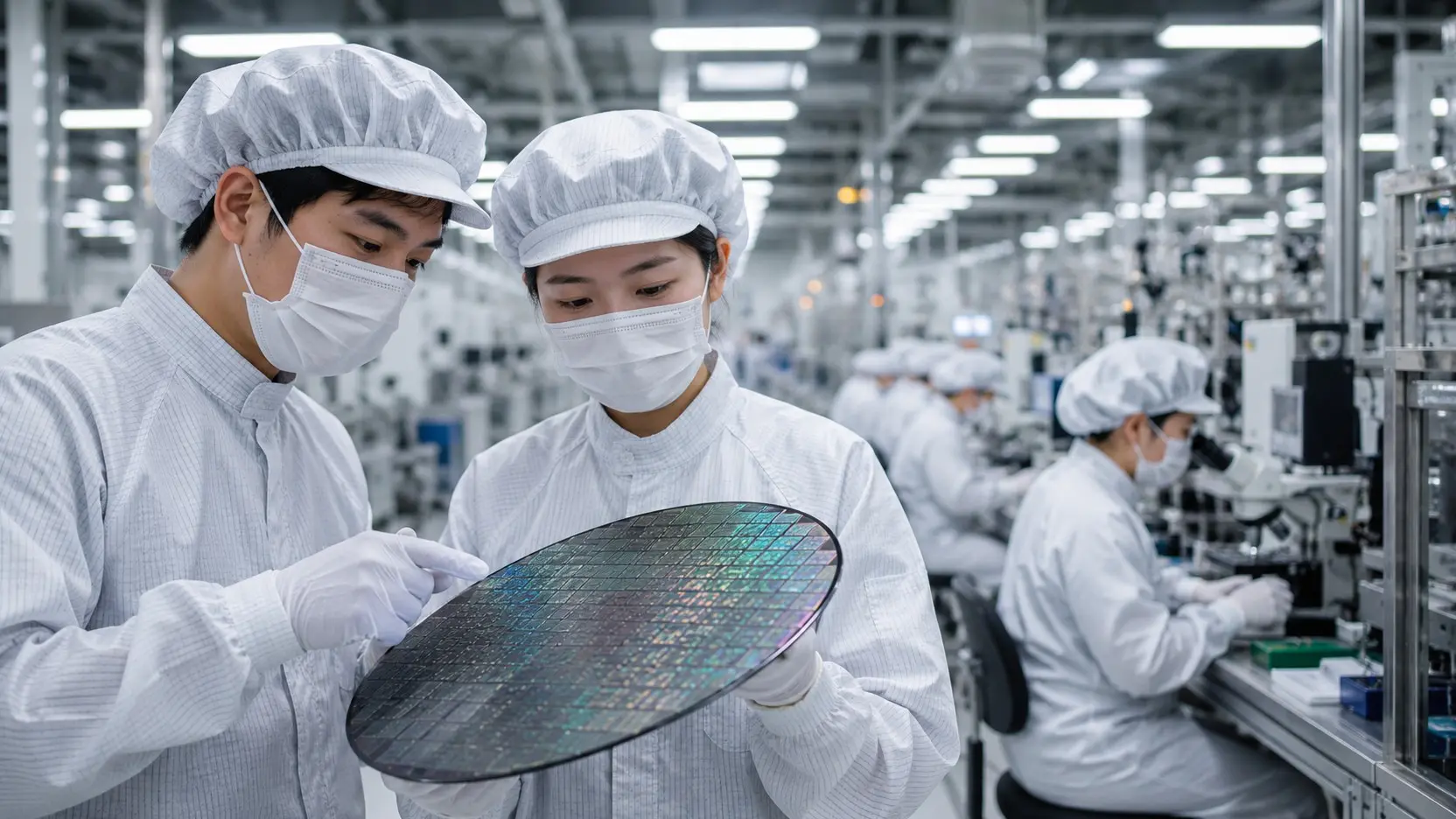
If you’re searching for a place where AI has crossed over from hype to hard numbers, you could do a lot worse than South Korea’s latest export report. The AI chip story, once a technical subplot, is turning into headline news for global economies. The shift is already producing clear winners, and it might reshape the tech world far from Silicon Valley or Seattle.
Personally, I keep thinking about the people behind the scenes: the chip engineers, production line workers, and exporters. Their work is powering the imaginative expansions happening everywhere else in tech. For now, the AI chip surge isn’t some distant, abstract financial event. It may be the closest thing we have to a readout of just how big this wave has become, and how much higher it could go, for better or worse.
Curious what’s next for AI hardware, the global chip race, or what this means for the rest of the economy? Drop your thoughts or questions below.