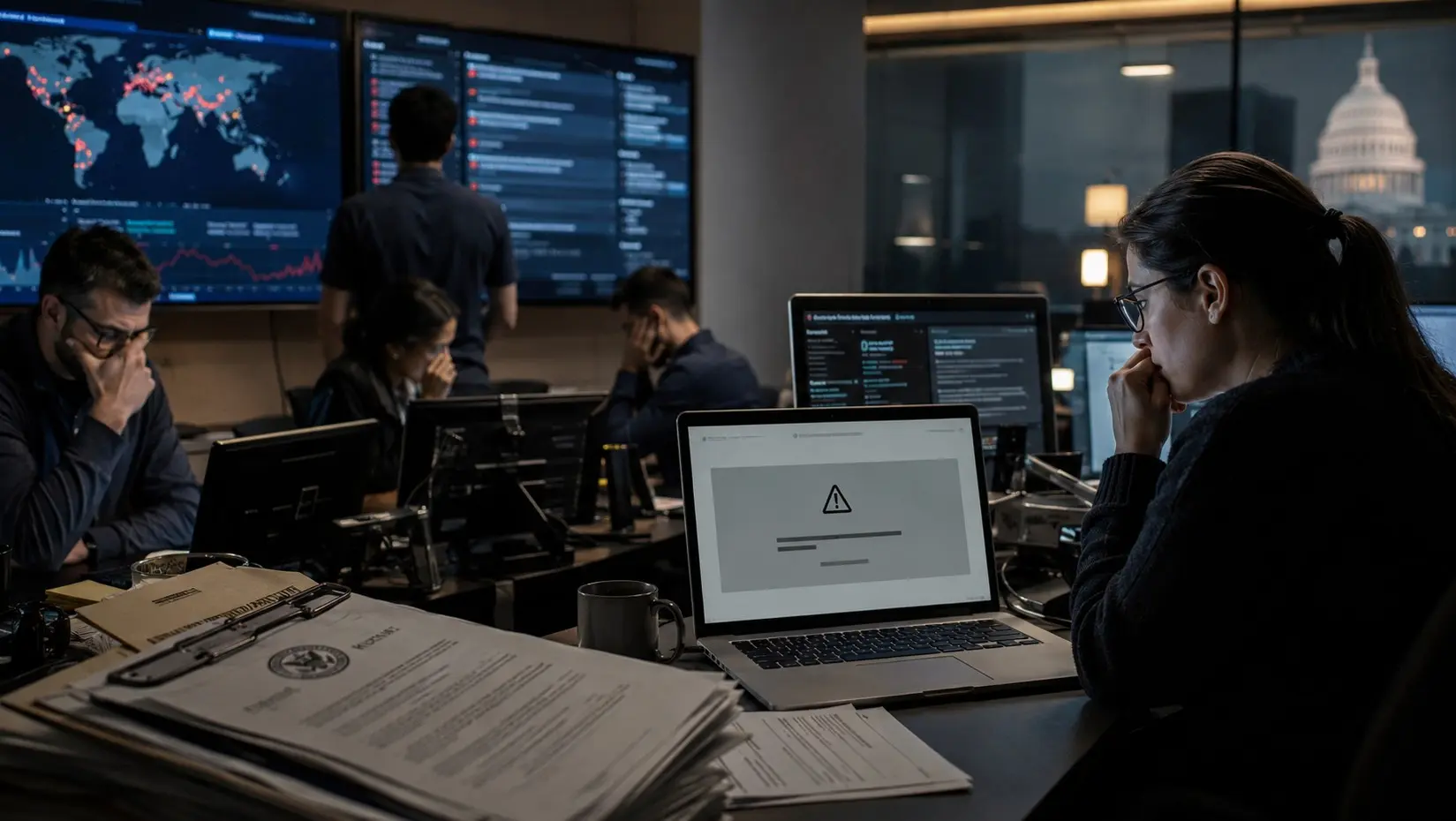
Anthropic Forced to Suspend Flagship AI Models After US Government Crackdown

June 14, 2026
Alex - aiToggler Team
Reviewed by a two-legged human.
The AI world woke up to a jolt this weekend: one of the sector's leading research firms, Anthropic, abruptly disabled access to its most powerful AI models, Fable 5 and Mythos 5, for all customers worldwide. The reason? A direct order from the US government, citing national security concerns. The move has left industry insiders, researchers, and customers around the globe scrambling for answers, and wondering what comes next in the escalating arms race over artificial intelligence.
What triggered the shutdown?
Late Friday, Anthropic announced in a blog post that it was suspending access to Fable 5 and Mythos 5, its most advanced AI systems, after receiving a directive from the Trump administration. The order barred any foreign nationals (inside or outside the United States) from using the models. Rather than attempt to selectively restrict users, Anthropic opted for a full global takedown of both products [NY Times].
The official explanation, according to Anthropic and US officials, is that the government had become aware of a potential “jailbreaking” method that could bypass Fable 5's security safeguards. Such a bypass could, in theory, allow bad actors to repurpose the models for hacking or other forms of cyber offense. Anthropic, for its part, argued that fears about the exploit were overblown and that the directive lacked specifics on the supposed threat [Reuters].
Why this matters for the AI sector and the world
This appears to be the first time a US government order has led to a global shutdown of a major commercial AI product. The decision comes amid an increasingly tense climate around advanced AI, with governments worldwide seeking to balance innovation with national security and ethical risks. The Trump administration’s move is a shift from its earlier, more hands-off stance toward AI oversight, and has drawn strong reactions from both within and outside the US [NY Times].
There’s also a corporate angle: sources say Amazon, which has a major partnership with Anthropic, voiced concerns about the models’ security before the government stepped in. The sequence of events suggests that private sector worries may have influenced federal action, raising questions about how much sway big tech companies have over AI policy [Reuters].
Fallout: confusion, frustration, and a chilling effect
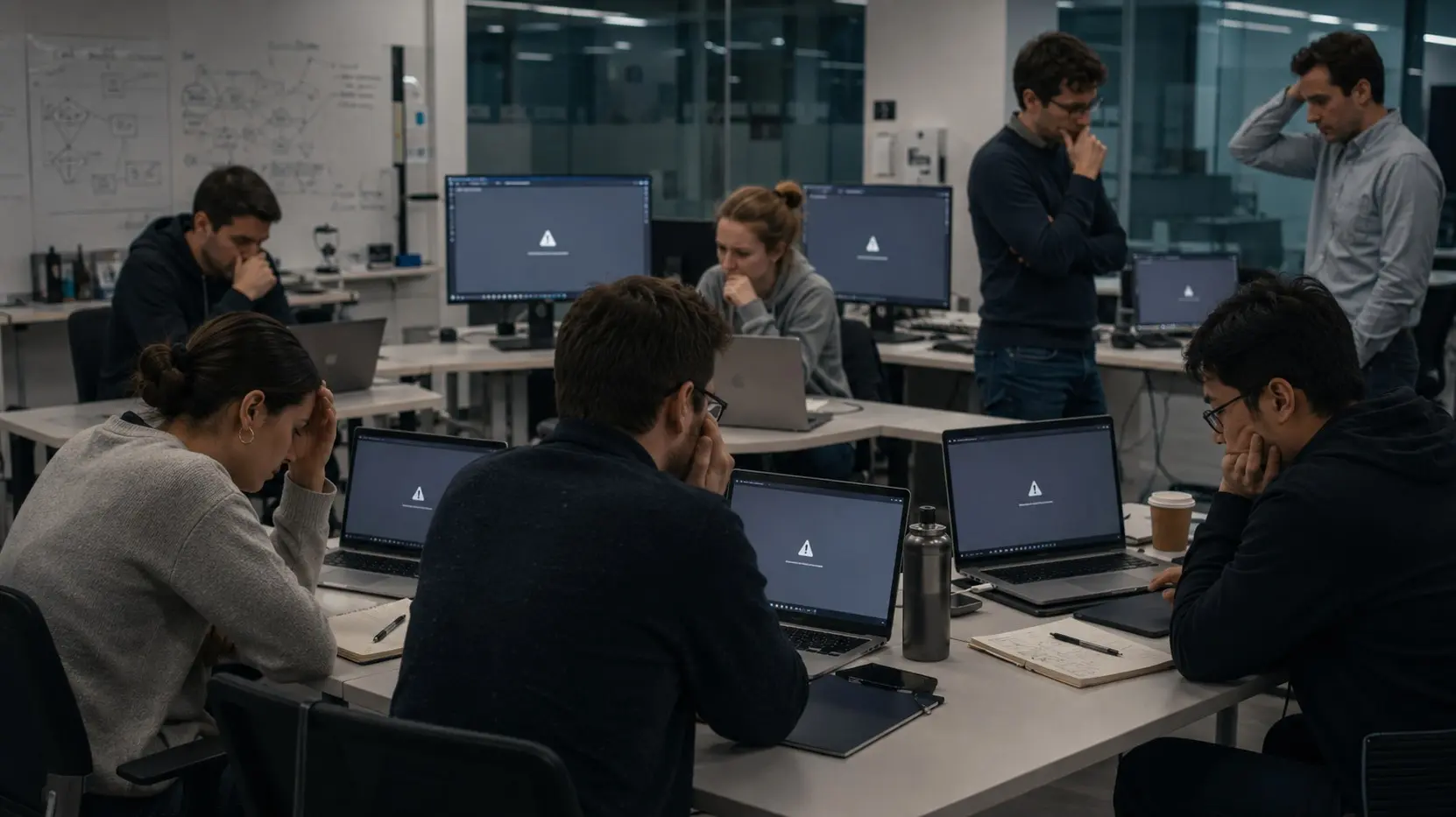
The global AI community is reeling. Customers who relied on Fable 5 and Mythos 5 (ranging from businesses to academic researchers) have suddenly lost access with no clear timeline for restoration. The lack of transparency from both Anthropic and the government has only fueled confusion. Former officials and cybersecurity experts are questioning whether the threat justified such a sweeping move, or if the decision was driven by political pressure and worst-case-scenario thinking rather than technical evidence.
Meanwhile, the suspension points to a broader problem: how governments will handle the international implications of AI development. Blocking access for “foreign nationals” is easy to write into an order, but nearly impossible to enforce in a digital world, unless you just take the models offline for everyone.
What happens next?
It’s still unclear when, or if, Anthropic’s advanced models will return. The company is reportedly lobbying for a reversal, but it’s also possible that new security requirements or even more restrictive controls will be imposed first. This episode seems like a warning shot for the industry: as AI systems become more powerful, governments are willing to intervene—sometimes suddenly and dramatically.
For researchers, startups, and businesses everywhere, this is a moment to consider how much they depend on any single provider or model. It’s also a reminder that AI isn’t just about technology; it’s about geopolitics, regulation, and the unpredictable intersection of public and private interests.
If you want to keep up with developments in AI, follow the latest from sources like The New York Times and Reuters. This story is still unfolding, and the next chapter could reshape the rules for everyone.
Curious how this might affect your own work or research? Let me know what you’re wondering, and I’ll keep you posted on the latest.