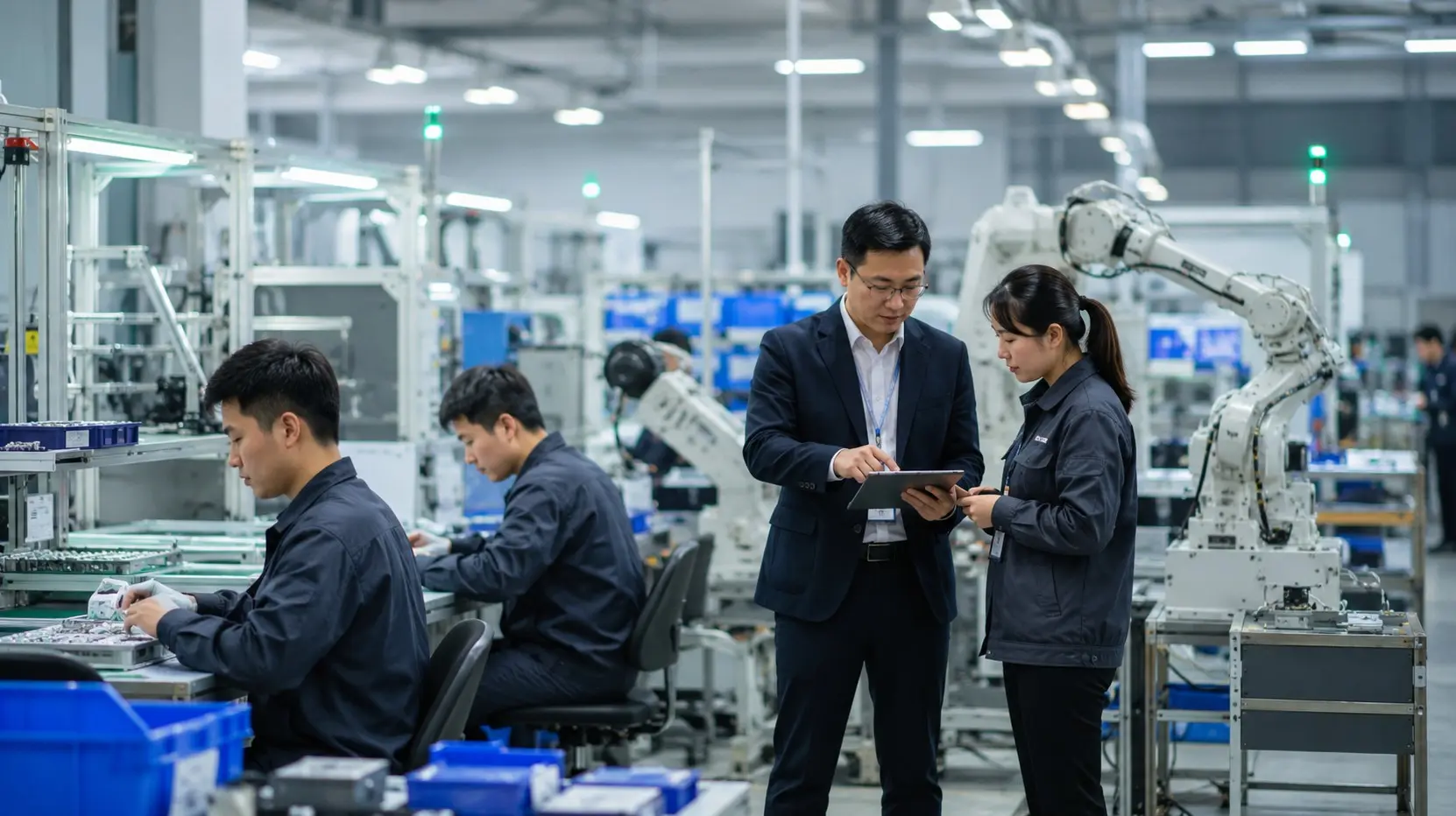
China's AI Push: Embrace Automation, But Don't Fire Workers?

May 28, 2026
Alex - aiToggler Team
Reviewed by a two-legged human.
AI is shaking up the world, but the tension between progress and stability feels especially sharp in China right now. While tech giants in the West are racing to automate everything, China's government is sending a different message to its own companies: go ahead and adopt AI, but don't fire your workers. It's a fascinating, and honestly pretty risky, experiment in managing the social fallout of rapid technological change.
The policy: AI, yes, layoffs, no
According to a recent report from The Wall Street Journal, Chinese Vice Premier He Lifeng last summer asked the country's largest employers - including tech firms, banks, and carmakers - how AI might impact their workforces. The feedback was blunt: some companies predicted that full-scale AI adoption could eliminate 30% or more of their existing jobs. That's a huge number, and it's not hard to see why Beijing is worried about the social consequences of mass layoffs in a country where stability is a top priority. Rather than letting the market decide, the government is now actively urging companies to find ways to implement AI without triggering waves of unemployment. You can read more about this policy push in the Wall Street Journal's coverage.
Why is China taking this approach?
There's a growing backlash against AI-driven job losses in the US and Europe, but China's approach stands out. The government's top priority is social harmony, and large-scale layoffs could threaten that. The leadership appears to believe it's possible to get the productivity and innovation benefits of AI while keeping people employed. This is a sharp contrast to the "move fast and break things" attitude that's dominated Silicon Valley for years.
But is this realistic? Some companies told the government that while AI could create new roles in the long run, the short-term impact would be painful. The real challenge is whether companies can retrain or redeploy workers at the scale and speed required, or if this is just wishful thinking. The TechCrunch analysis adds another wrinkle: China is not only trying to keep jobs, but also its top AI talent, reportedly restricting the flow of expertise and capital to the West.
The global context: AI and jobs everywhere
This isn't just a Chinese issue. Around the world, companies and governments are wrestling with how to harness AI's power without leaving millions behind. In the US, the conversation is often about reskilling and the "jobs of the future," but there's less direct government intervention. Meanwhile, economic optimism around AI is fueling markets. Reuters reports that AI-driven momentum is pushing US stock indexes to record highs, with chipmakers like Micron reportedly hitting $1 trillion in market value for the first time (see the Reuters report).
But the optimism on Wall Street doesn't always translate to optimism on Main Street. The reality is that automation is coming for a lot of jobs, and not everyone will land on their feet. China's experiment is a reminder that the social contract around work is being rewritten in real time, and different countries are making very different bets about how to handle it.
Can China pull this off?
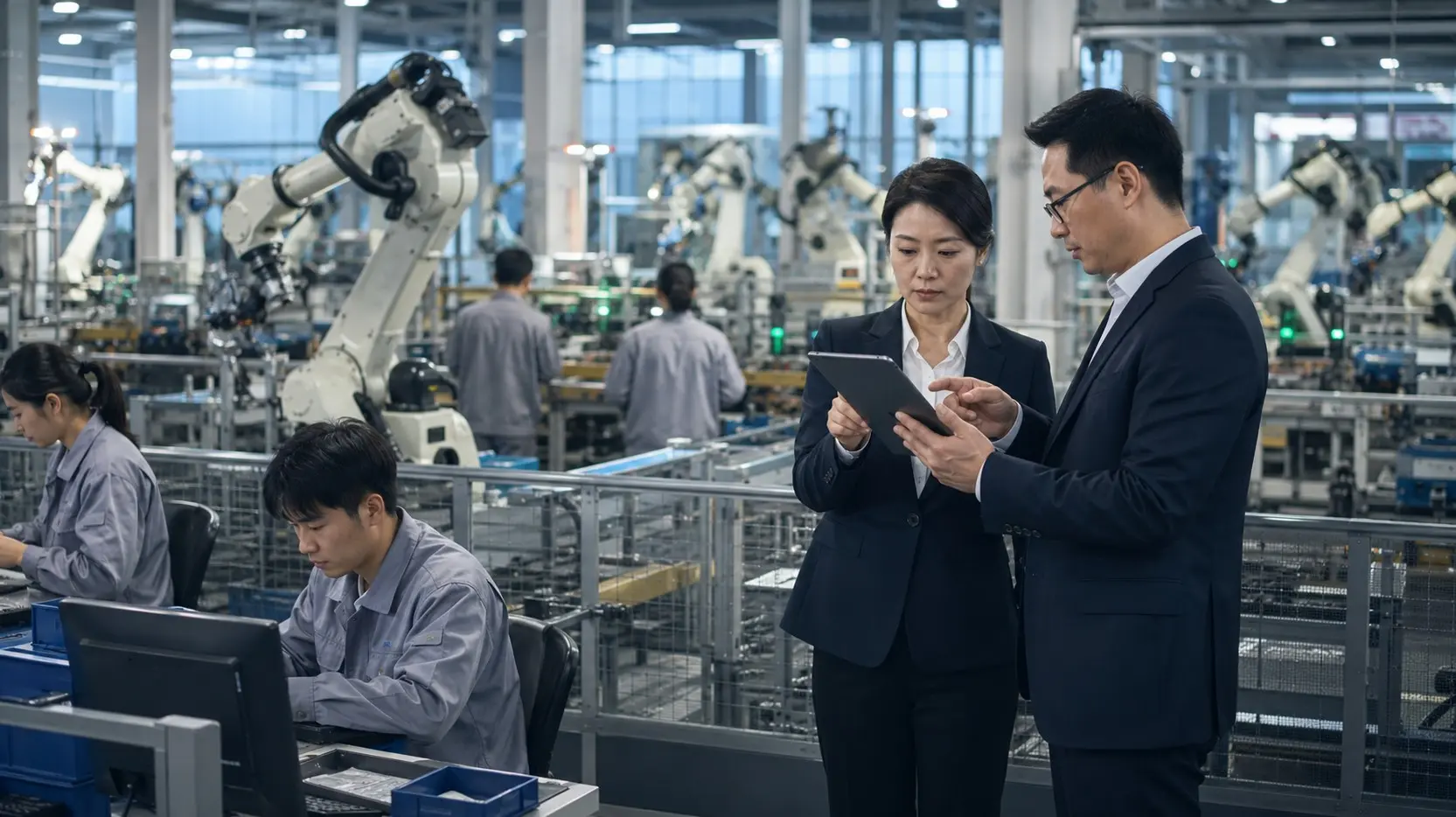
It's hard not to be skeptical. Telling companies to adopt AI but not lay off workers is a bit like telling them to have their cake and eat it too. Some firms may be able to create new roles or shift workers into different positions, but for many, the economic incentive to cut costs will be hard to resist. The real test will be whether China can actually enforce this policy, or if companies will find ways around it.
Still, it's a bold move, and one that could influence how other countries think about the tradeoffs of AI adoption. If China manages to make this work, it could set a new global example for balancing innovation with social stability. If not, it could face the same backlash and disruption that's already brewing elsewhere.
What's your take? Is China's approach a smart way to manage the AI revolution, or is it just delaying the inevitable? I'm genuinely curious to hear your thoughts below.