Florida Sues OpenAI: The First State Legal Challenge Over AI Safety Hits the Courts

June 2, 2026
Alex - aiToggler Team
Reviewed by a two-legged human.
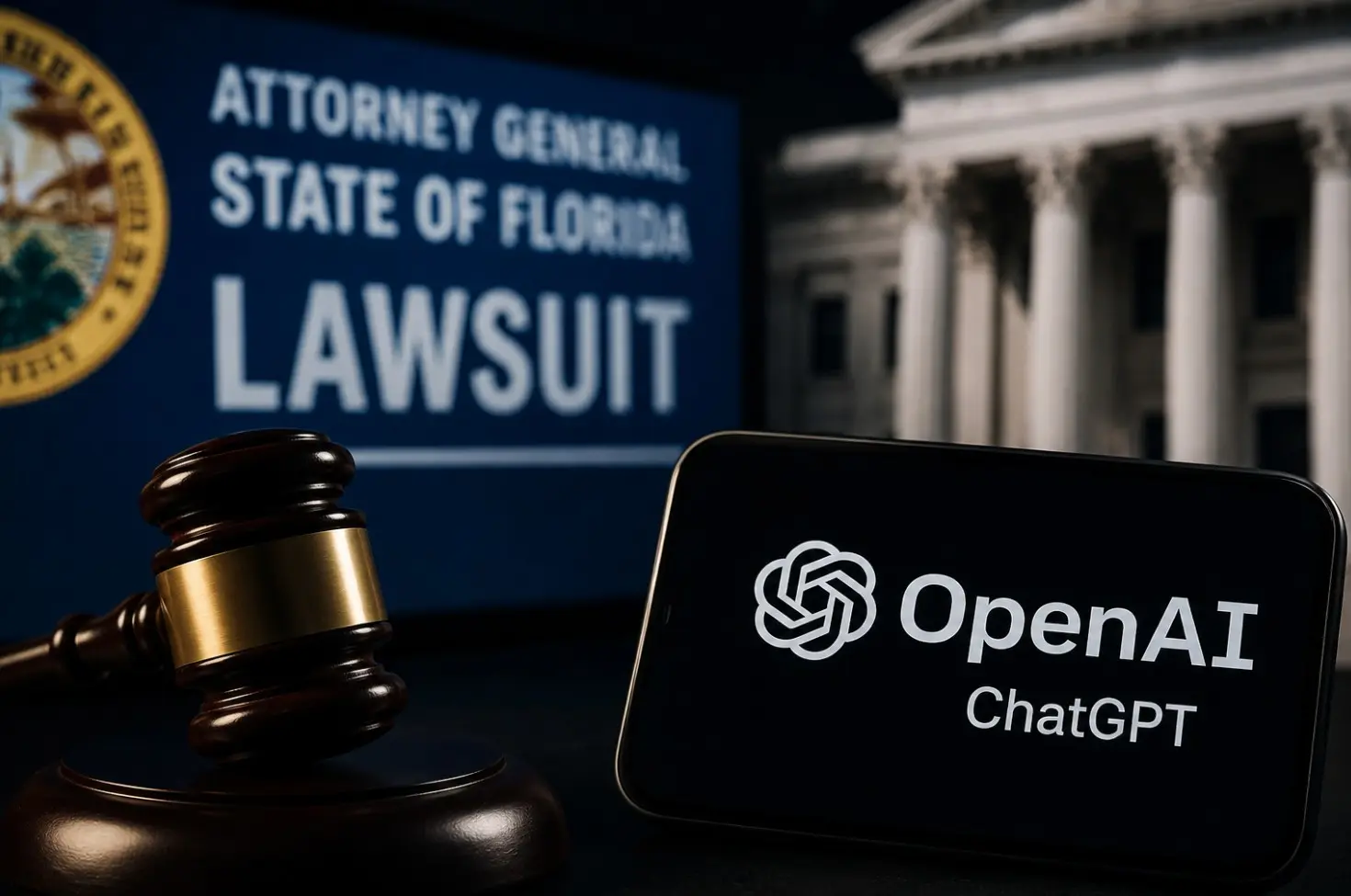
AI lawsuits have been tossed around in headlines for a while, but this week, things got a lot more real. Florida just became the first state to take OpenAI and its CEO, Sam Altman, to court over alleged safety failures in their ChatGPT chatbot. If you care about how artificial intelligence is regulated, this case could be a turning point for the industry and for users.
The lawsuit: Florida breaks new ground
On Monday, Florida Attorney General James Uthmeier filed a lawsuit against OpenAI, accusing the company and Altman of knowingly releasing an unsafe product and ignoring warnings about potential harm to users. This is not just a shot across the bow. It is the first serious test of whether a state can hold an AI company legally responsible for risks tied to a chatbot.
According to The Wall Street Journal, the suit follows a criminal investigation into ChatGPT's possible involvement in a campus mass shooting, which raises the emotional and political stakes around the case.
The lawsuit claims OpenAI's technology can cause real world harm, cites ignored warnings, and argues that the release of ChatGPT was reckless. Lawsuits against big tech firms are nothing new, but this one stands out because it leans into the "unsafe product" framing, something courts have not really had to sort out yet for generative AI.
I keep coming back to that product angle. If a court buys it, AI tools stop looking like experimental research projects and start looking a lot more like consumer products that can be defective.
Why this lawsuit matters
For years, lawyers and academics have argued over whether AI systems should be treated more like physical products, where companies can be on the hook for defects, or more like speech and publishing, which often get broader legal protections. Florida's case pushes that debate into an actual courtroom instead of another panel discussion.
If the courts were to find that OpenAI is responsible for harms tied to how people use its chatbot, it could set a precedent that affects every AI developer. It would not just be OpenAI. It could change how the software industry thinks about safety testing, warnings, and what counts as a foreseeable risk.
The timing is rough for the big AI labs. OpenAI, Microsoft, Google, and others are racing to push the limits of large language models, while lawmakers and regulators are still trying to figure out basic rules. Now a state attorney general is using consumer protection law to force the issue.
This is impressive, but also kind of unsettling. On one hand, there is a real need for someone to ask hard questions about high risk AI systems. On the other, you now have a single state trying to define how liability should work for tools millions of people use worldwide.
The bigger backdrop: AI on trial
Florida's move is not happening in a vacuum. Public concern about AI safety has been getting louder, especially after well publicized incidents involving chatbot behavior, misinformation, and weird or alarming outputs.
This case lands in the middle of broader global anxiety about AI. There is reporting on China's government looking to expand AI use for surveillance and political control, and in the U.S. there is growing debate about whether the current AI boom will help the economy, damage social stability, or both at once (Financial Times).
It is also happening as OpenAI's profile and power have grown dramatically. ChatGPT is now wired into search engines, office tools, and business workflows. The question of who is responsible when something goes wrong is no longer hypothetical. It is a live question that courts and regulators are being pushed to answer.
Here is what gets me. A lot of the safety debate has lived in policy whitepapers and AI ethics conferences. This lawsuit drags it into a venue where someone is going to win, someone is going to lose, and there will be written opinions that other courts will read.
What happens next? A lot of uncertainty
No one knows yet how far this case will go, how strong Florida's legal theory really is, or whether other states will copy it. But the possible outcomes are big enough that it is worth paying attention to the early moves.
If the lawsuit succeeds in any meaningful way, it could push OpenAI and its peers to spend much more on risk assessment, documentation, and user safeguards. Even if the claims are narrowed or the state loses, the discovery process alone could reveal internal warnings, risk assessments, or emails about launch decisions that shape the policy debate.
AI companies might also need to rethink how they roll out new features, especially anything that touches areas like mental health, self harm, violence, or political influence. That could slow down the current pace of shipping models first and patching them later.
Courts could also start to give real answers on the product liability question for AI. Are these tools products, services, speech, or some mix of all three? Right now, that is still fuzzy. A ruling in Florida would not settle everything, but it would give lawyers and regulators something more concrete to work with.
For now, this is a story to watch and a signal that the "move fast and break things" era for AI may finally be running into its legal limits. As WSJ points out, Florida's move could encourage other attorneys general to test similar theories, even if the details differ.
AI regulation just got a lot more tangible, and this lawsuit could mark a new chapter in how courts treat AI companies and their products. I genuinely do not know how to feel about a single high profile tragedy driving so much of the legal strategy here, but it is hard to ignore the momentum.
Keep an eye on this case. Whatever happens, it will feed into the next round of laws, company policies, and safety standards. If you want more grounded coverage of these kinds of AI turning points, subscribe or follow along for future updates.